
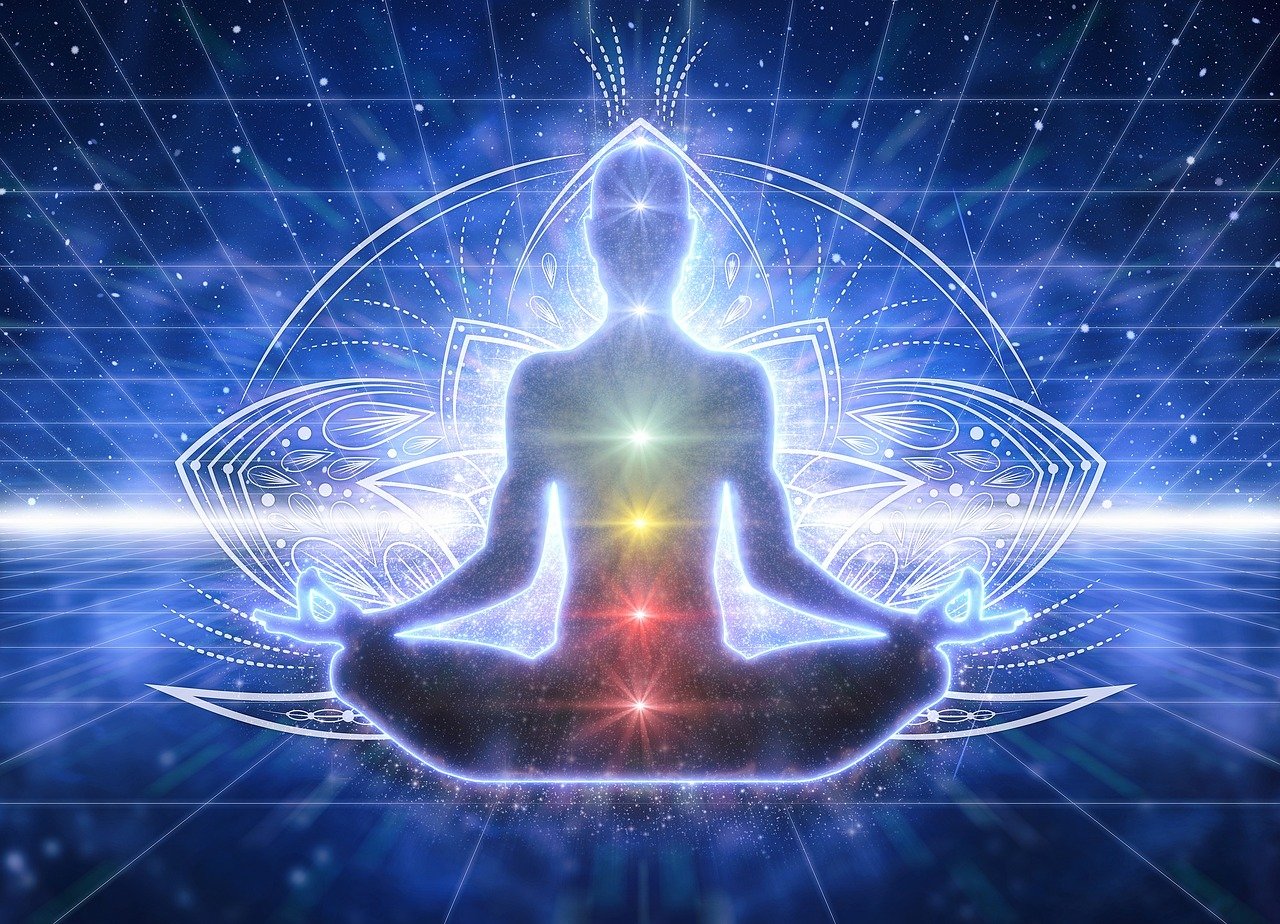
In today’s fast-paced world, many people are turning to ancient practices for holistic healing. One of the most powerful concepts in spiritual wellness is chakras—the energy centers in our body that influence our physical, emotional, and spiritual health. Understanding and balancing your chakras can lead to improved energy flow, reduced stress, and a deeper sense of harmony.
This comprehensive guide explores what chakras are, the seven main chakras, signs of imbalance, and practical ways to balance your chakras using meditation, yoga, crystals, and more. Whether you’re new to chakra healing or looking to deepen your practice, this article will help you harness the power of chakras for a balanced life.
What Are Chakras? Understanding Your Body’s Energy Centers
The word “chakra” comes from Sanskrit, meaning “wheel” or “disk.” Chakras are spinning wheels of energy located along the spine, from the base to the crown of the head. According to ancient Indian traditions like yoga and Ayurveda, there are seven primary chakras that act as gateways for life force energy (known as prana).
When chakras are balanced and open, energy flows freely, promoting vitality and emotional stability. Blocked or imbalanced chakras, however, can manifest as physical ailments, emotional distress, or mental fog. Chakra balancing is a popular practice in energy healing to restore this flow.
The 7 Main Chakras: Locations, Colors, and Meanings
Each chakra corresponds to specific areas of the body, emotions, and aspects of life. Here’s a breakdown:
1. Root Chakra (Muladhara) – Foundation and Security
- Location: Base of the spine
- Color: Red
- Element: Earth
- Meaning: Represents grounding, survival, and basic needs like safety and stability.
Imbalance signs: Anxiety, financial worries, or lower back pain.
Balancing tip: Walk barefoot in nature or practice grounding yoga poses.
2. Sacral Chakra (Svadhisthana) – Creativity and Pleasure
- Location: Lower abdomen
- Color: Orange
- Element: Water
- Meaning: Governs emotions, sexuality, and creativity.
Imbalance: Creative blocks or emotional instability.
3. Solar Plexus Chakra (Manipura) – Confidence and Power
- Location: Upper abdomen
- Color: Yellow
- Element: Fire
- Meaning: Personal power, self-esteem, and willpower.
Imbalance: Low confidence or digestive issues.
4. Heart Chakra (Anahata) – Love and Compassion
- Location: Center of the chest
- Color: Green
- Element: Air
- Meaning: Center of love, empathy, and relationships.
Imbalance: Difficulty in relationships or heart-related concerns.
Balancing tip: Use green crystals like rose quartz.
5. Throat Chakra (Vishuddha) – Communication
- Location: Throat
- Color: Blue
- Element: Ether
- Meaning: Expression and truth.
Imbalance: Trouble speaking up or thyroid problems.
6. Third Eye Chakra (Ajna) – Intuition
- Location: Forehead, between the eyes
- Color: Indigo
- Meaning: Insight, intuition, and wisdom.
Imbalance: Headaches or lack of clarity.
7. Crown Chakra (Sahasrara) – Spiritual Connection
- Location: Top of the head
- Color: Violet or white
- Element: Consciousness
- Meaning: Connection to the divine and higher self.
Imbalance: Feeling disconnected or spiritually lost.
Balancing tip: Meditation focusing on universal energy.
Signs Your Chakras Are Imbalanced and How to Identify Them
Common symptoms of chakra imbalance include chronic fatigue, mood swings, physical pain, or feeling “stuck.” Start by assessing which area of life feels off—physical health for lower chakras, emotions for middle, or spirituality for higher ones.
How to Balance Your Chakras: Effective Practices and Techniques
Balancing chakras doesn’t require expertise; consistent small practices yield big results.
1. Chakra Meditation
Visualize each chakra’s color and affirm positive statements (e.g., “I am safe” for the root chakra).
2. Yoga Poses for Chakra Alignment
- Root: Mountain pose
- Heart: Camel pose
- Crown: Headstand (or seated meditation)
3. Crystals and Essential Oils
Use corresponding stones and scents to amplify energy.
4. Sound Healing and Affirmations
Chant bija mantras (e.g., “LAM” for root) or listen to frequency music.
5. Diet and Lifestyle
Eat foods matching chakra colors—red beets for root, greens for heart.
Benefits of Balanced Chakras
Regular chakra work can enhance emotional resilience, boost physical health, improve relationships, and foster spiritual growth. Many report increased energy, clarity, and joy.
Conclusion: Start Your Chakra Balancing Journey Today
The power of chakras lies in their ability to connect mind, body, and spirit. By incorporating simple practices into your routine, you can achieve greater balance and well-being. Begin with one chakra that resonates most, and build from there.
Ready to unlock your energy centers? Try a guided chakra meditation today and feel the transformation!